

26 AWG vs 24 AWG Patch Cables in Home Networks

In a typical home network, the difference between 26 AWG and 24 AWG Ethernet patch cables is mostly theoretical. While 24 AWG uses thicker copper conductors with lower resistance, real world speed and performance in home setups are usually identical for short runs.
Real World Speed in a Home Setup
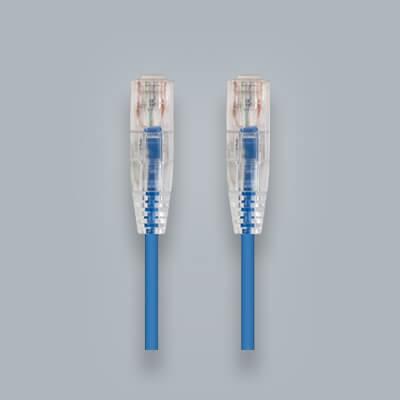
Most home patch cables are short, often 3 to 6 feet, connecting a router, modem, switch, gaming console, or PC. At these lengths, both 26 AWG and 24 AWG cables easily support full Gigabit Ethernet speeds.
In everyday testing such as streaming 4K video, online gaming, video calls, or running internet speed tests, there is no noticeable difference in throughput or latency. Devices still link at 1 Gbps and transfer data just as reliably. If you are tuning a setup for competitive play, cable quality matters more than gauge alone. For more detail, see our guide on the best Ethernet cable for gaming.
If you want a high quality option for home networking, the Elite Cat6 24 AWG Snag-Free Ethernet Patch Cable from Infinity Cable Products uses 100 percent pure copper conductors and is designed for consistent performance with routers, switches, PCs, and consoles.
When 24 AWG Makes More Sense at Home
24 AWG cables can be beneficial in certain home setups. If you are running Power over Ethernet devices such as WiFi access points, security cameras, or smart home hubs, thicker conductors handle power more efficiently and run cooler.
They also provide extra durability for longer patch runs, such as across a room or into a small network closet, where cables may be bent, bundled, or moved more often.
Why Many Home Networks Use 26 AWG
26 AWG patch cables are thinner and more flexible, which makes them easier to route behind desks, entertainment centers, and wall mounted TVs. For short connections between nearby devices, they deliver the same speeds with less bulk and cleaner cable management.
The Bottom Line for Home Networking
In real home networking use, a 26 AWG patch cable performs just as fast as a 24 AWG cable for short runs. You will not see faster internet speeds or lower latency just by switching gauges.
Choose 24 AWG if you want extra durability, plan to use PoE devices, or prefer a more robust cable like the Elite Cat6 24 AWG patch cable. Choose 26 AWG for short, flexible connections where space and cable management matter more than theoretical performance differences.
